


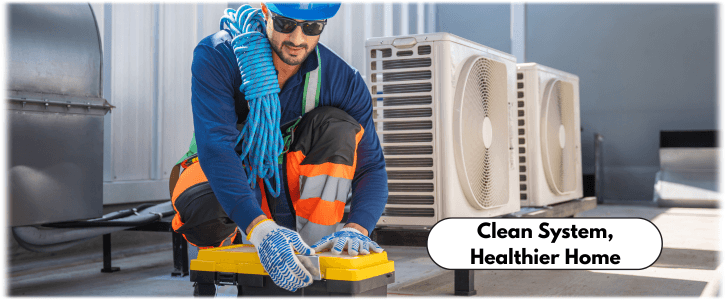
Musty odors and suspicious buildup around cooling equipment can make homeowners uncomfortable. Fortunately, professional HVAC mold removal in Alexandria helps address confirmed contamination and underlying moisture concerns. Virginia’s humid summers create conditions that can encourage microbial growth inside damp ventilation components. Additionally, blocked drainage lines and condensation problems may allow moisture to accumulate. Our team helps homeowners investigate these concerns and understand appropriate treatment options. Call (571) 556-3857 today to discuss your system and arrange an evaluation.
Why Mold Develops Inside HVAC Equipment
Your air conditioner removes heat and moisture from indoor air. However, condensation naturally collects around certain cooling components during normal operation.
When drainage problems develop, excess moisture may remain inside equipment compartments. Consequently, damp surfaces can support microbial growth when suitable nutrients accumulate.
Alexandria experiences hot, humid summers and cold winters. Therefore, residential heating and cooling systems face changing operating conditions throughout the year.
Historic homes near Old Town may contain older equipment arrangements. Meanwhile, properties throughout Del Ray, Rosemont, and Seminary Hill feature different ventilation layouts.
Additionally, damaged insulation and leaking duct connections can contribute to condensation. Identifying these conditions helps homeowners address potential contamination more effectively.
Warning Signs of Mold in Your HVAC System
Microbial contamination sometimes develops in areas homeowners rarely inspect. Nevertheless, several warning signs deserve attention.
Persistent musty odors: Unpleasant smells become noticeable when heating or cooling equipment operates.
Visible discoloration: Unusual patches appear around accessible coils, drain pans, or ventilation openings.
Recurring condensation: Moisture accumulates around cooling equipment or nearby insulation.
Drainage problems: Blocked condensate lines allow water to collect inside equipment compartments.
Damp surrounding materials: Water stains or persistent moisture may indicate leaks requiring further evaluation.
However, ordinary dust and staining can resemble microbial growth. Therefore, a qualified assessment helps determine whether remediation is necessary.
Our Approach to HVAC Mold Remediation
Effective treatment requires more than masking odors with fragrances. Instead, professionals must identify contamination and address the conditions supporting growth.
HVAC Mold Removal in Alexandria: Our Process
First, our team evaluates accessible cooling components, including evaporator coils, drain pans, and nearby ventilation surfaces.
Next, technicians investigate visible contamination and potential moisture sources. Additionally, they consider affected materials before recommending suitable treatment methods.
When appropriate, qualified professionals use specialized equipment and containment measures to address microbial contamination.
Professional air conditioner mold removal focuses on physical contamination removal and appropriate moisture control.
However, damaged porous materials may require replacement rather than surface treatment. Furthermore, technicians consider equipment materials and manufacturer recommendations before selecting suitable procedures.
Afterward, we explain our findings and discuss additional maintenance or specialist evaluations when necessary.
Support Indoor Comfort and System Maintenance
Proper remediation addresses confirmed contamination inside suitable HVAC components. Moreover, correcting drainage and humidity problems helps discourage recurring microbial growth.
Homeowners may also consider air duct cleaning when significant dust accumulates inside residential ventilation systems.
Additionally, AC coil cleaning supports routine cooling equipment maintenance. Meanwhile, ductwork inspection helps identify visible leaks, damaged insulation, and airflow concerns.
For contamination inside ventilation passages, air duct mold removal may require specialized remediation methods.
Although these services address different conditions, careful evaluation helps homeowners choose appropriate maintenance solutions.
Local Mold Care for Alexandria Homes
Properties near King Street, Potomac Yard, and Eisenhower Avenue experience changing seasonal humidity and cooling demands.
Additionally, older residences in ZIP codes 22301 and 22314 may contain aging HVAC components requiring careful evaluation.
Our team emphasizes clear communication, practical recommendations, and respectful service. Furthermore, we explain potential concerns without unnecessary pressure.
Whether you own a historic townhouse or modern condominium, we can help evaluate suspected HVAC contamination.
Frequently Asked Questions
Can mold develop inside air conditioning equipment?
Yes. Mold can grow when moisture accumulates on suitable surfaces inside cooling systems. However, proper drainage, humidity control, and routine maintenance help reduce favorable conditions.
Will HVAC cleaning prevent mold from returning?
Cleaning can remove contamination from suitable components, but unresolved moisture problems may allow mold to return. Therefore, homeowners should address leaks, drainage issues, and excessive humidity.
How can I schedule HVAC mold removal in Alexandria?
Call (571) 556-3857 to discuss suspected contamination and arrange an assessment for HVAC mold removal in Alexandria. Our team can explain suitable treatment options and scheduling availability.
Address HVAC Mold Concerns Today
Don’t ignore persistent musty odors, visible contamination, or recurring moisture around your heating and cooling equipment. Instead, investigate potential problems before they affect additional system components. Call (571) 556-3857 today to request an assessment, discuss practical solutions, and schedule professional HVAC mold removal in Alexandria.

